Beard Won’t Connect: Solutions for a Fuller Facial Hair Growth
Having trouble with a patchy beard? You’re not alone. Many people find their beards won’t connect, leaving frustrating gaps. Improving beard growth often requires a mix of good nutrition, proper skin care, and patience. Exploring the causes can lead to effective solutions, so don’t give up just yet.
Page Contents
- Reasons Why Beard Don’t Connect
- Understanding Beard Growth
- Nutrition and Lifestyle
- Beard Care and Maintenance
- Advanced Beard Growth Techniques
- Addressing Patchy Beards
- Frequently Asked Questions
- How can I style a beard that doesn’t connect with my mustache?
- How long does it typically take for a beard to fully connect?
- What are the common reasons for a beard not connecting to the sideburns?
- Are there specific beard styles that work well for non-connecting beards?
- At what age do most men experience their beard fully connecting?
Key Takeaways
- Many factors affect beard growth.
- Nutrition and care can help patchy beards.
- Solutions require patience and understanding.
Reasons Why Beard Don’t Connect
Your beard may not connect due to a few key factors. Genetics plays a vital role. If close family members have similar patterns, it might be hereditary. Hair growth relies greatly on genes, so you might just have a pattern that reduces connection.
Hormones can also influence beard growth. Low testosterone levels may hinder hair thickness and density. If you suspect this might be a factor, consider checking your hormonal health.
Age is another important aspect. Young men often experience patchy growth. The beard may fill out as you mature, so time might be on your side.
Have you faced any skin issues? Skin conditions like acne or eczema can affect hair growth. Keeping your skin healthy ensures a better environment for your beard to grow.
Consider your overall nutrition and health. A well-balanced diet, rich in vitamins and minerals, supports healthy hair growth. Foods containing biotin, zinc, and vitamin E are beneficial.
To help your beard connect better, try regular trimming. Focus on uniform lengths, which can help balance any uneven growth.
Using natural oils like coconut or jojoba oil may stimulate growth and improve hair texture. Massaging these into your local area promotes blood circulation too.
Understanding Beard Growth
Your beard’s growth can depend on several factors, which mainly include genetics, hormone levels, and age. Each of these influences the development of your facial hair in different ways.
The Role of Genetics
Genetics plays a crucial role in determining how your beard grows. If your family has a history of thick facial hair, you’re more likely to have a similar beard pattern. Hair follicles react to genetic signals, which can influence both the density and the growth rate of your beard. Some people may notice uneven growth or patches because of inherited traits.
It’s essential to understand that genetics are beyond your control. If your beard isn’t as full as you’d like, it might relate to your genetic makeup. This doesn’t mean it won’t improve, but patience is crucial.
Impact of Testosterone Levels
Testosterone, a key hormone in your body, significantly affects how your beard grows. Higher levels can stimulate more robust facial hair growth. This hormone interacts with the hair follicles in your face, encouraging thicker and faster-growing hair.
Some people might produce more testosterone, which can explain stronger beard growth. If you’re concerned about how your beard is developing, it might be related to how your body manages testosterone.
Age and Beard Maturity
Age also matters when it comes to beard growth. Many people notice that their beards become fuller and more even as they get older. Facial hair often takes time to mature, with some men seeing their best growth in their late 20s and 30s.
Beard maturity isn’t instantaneous. Your hair follicles might need time to develop fully. If you’re younger and your beard is patchy, it may continue to improve over the years. Patience is key when waiting for your beard to reach its potential.
Nutrition and Lifestyle

Nutrition and lifestyle choices play a key role in beard growth. A balanced diet and maintaining good overall health can improve the chances of having a full, connected beard.
Importance of a Balanced Diet
Eating a balanced diet is important for healthy facial hair. Foods rich in protein, like lean meats, fish, and beans, provide building blocks for hair. Omega-3 fatty acids found in fish can also support hair health.
Including fruits and vegetables ensures you get enough vitamins. These foods provide antioxidants that protect hair follicles. Whole grains, nuts, and seeds offer fiber and other nutrients important for hair strength. A balanced diet gives your beard what it needs to grow and connect better.
Vitamins and Minerals for Hair Health
Certain vitamins and minerals are vital for facial hair. Biotin supports healthy hair growth and is found in eggs, nuts, and whole grains. Zinc helps maintain oil glands around hair follicles; oysters and beef are good sources.
Vitamin D is essential for hair follicle health and can be found in fortified foods or by getting some sunlight. Vitamin E improves circulation, making it easier for nutrients to reach your facial hair. Nuts, seeds, and leafy greens are rich in vitamin E.
Effects of Overall Health on Facial Hair
Your overall health greatly affects facial hair growth. Regular exercise improves blood circulation, which helps deliver nutrients to hair follicles. Managing stress is also crucial, as stress can hinder hair growth by affecting hormones.
Getting enough sleep is important. Sleep helps your body repair cells and produce growth hormones. Avoiding smoking and limiting alcohol use can benefit your hair, since harmful substances may weaken hair follicles. Prioritizing healthy lifestyle habits supports better beard growth and connection.
Beard Care and Maintenance
Taking care of your beard requires the right products and techniques. Regular maintenance, like trimming, helps keep your beard looking good and healthy.
Essential Beard Products
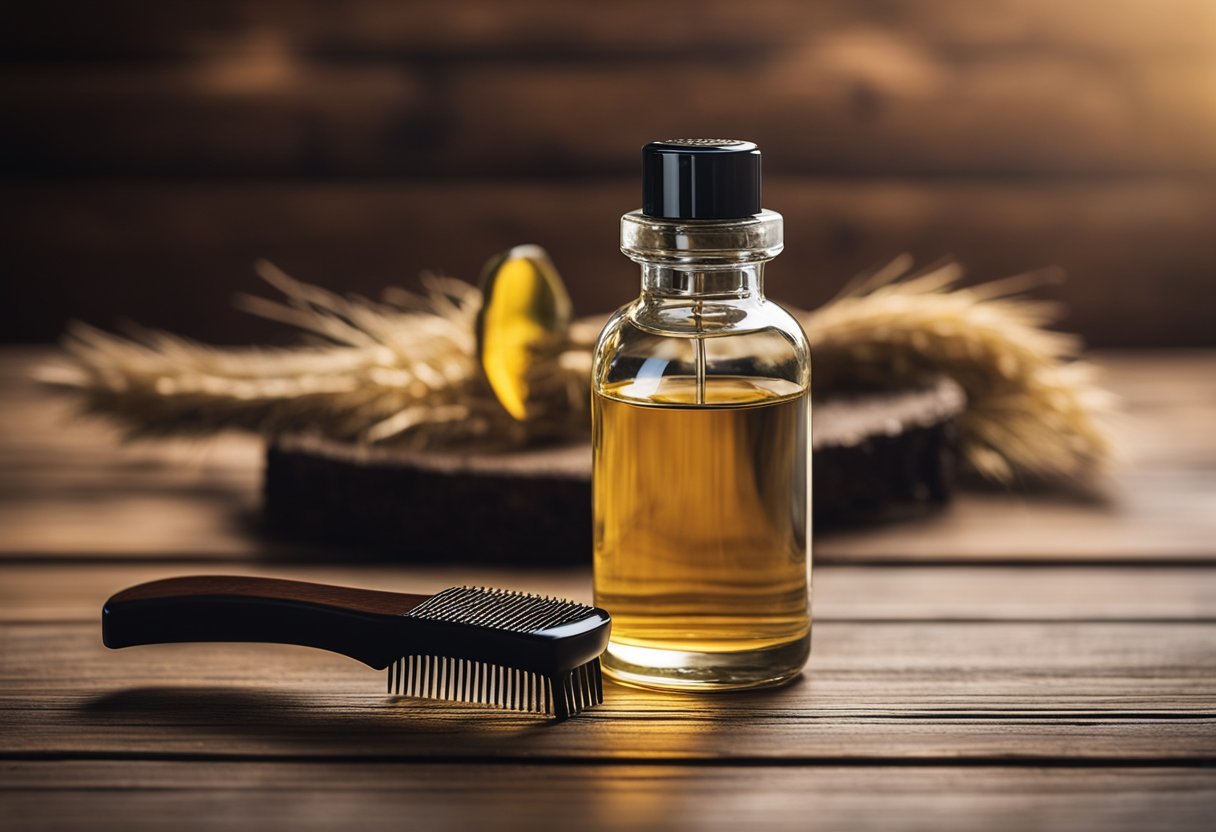
Using the right products is vital for a healthy beard. Beard oil is great for moisturizing. It keeps your beard soft and helps prevent itching. You should apply it after washing your face. A beard shampoo and conditioner are also important. Regular shampoo can dry out your beard, so use ones made just for beards.
A beard balm can help you style and tame unruly hair. A boar bristle brush helps distribute oils evenly throughout your beard, which keeps it looking well-groomed.
Effective Grooming Techniques
Grooming your beard involves more than just trimming. Use a comb or brush to untangle knots. This also helps spread natural oils across your beard. Wash your beard with beard shampoo a few times a week. It keeps it clean without stripping natural oils. After washing, use a conditioner to keep it soft.
Comb your beard daily to maintain its shape. Massage your skin with beard oil to promote healthy growth and prevent itchiness. Use a pair of sharp scissors or a reliable trimmer to remove split ends or stray hairs. Always follow your beard’s natural growth pattern for the best look.
Benefits of Regular Trimming
Trimming your beard regularly can make a big difference. It helps maintain your desired beard style, like a full beard or a more shaped look. Regular trims keep your beard neat and reduce split ends. Trimming also helps in keeping a consistent shape, which is important for a polished appearance.
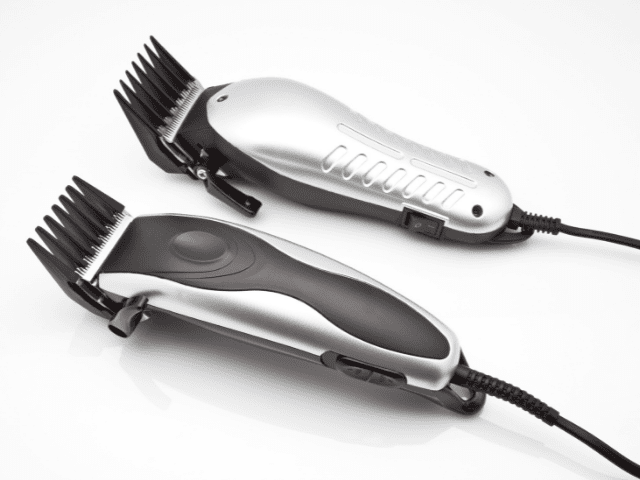
Even if you are growing your beard longer, trimming the ends is beneficial. It can prevent uneven growth and improve beard health. Use quality tools like a sharp pair of scissors or a precision trimmer for clean cuts. If you’re unsure, consider visiting a professional barber to help get the perfect shape.
Advanced Beard Growth Techniques
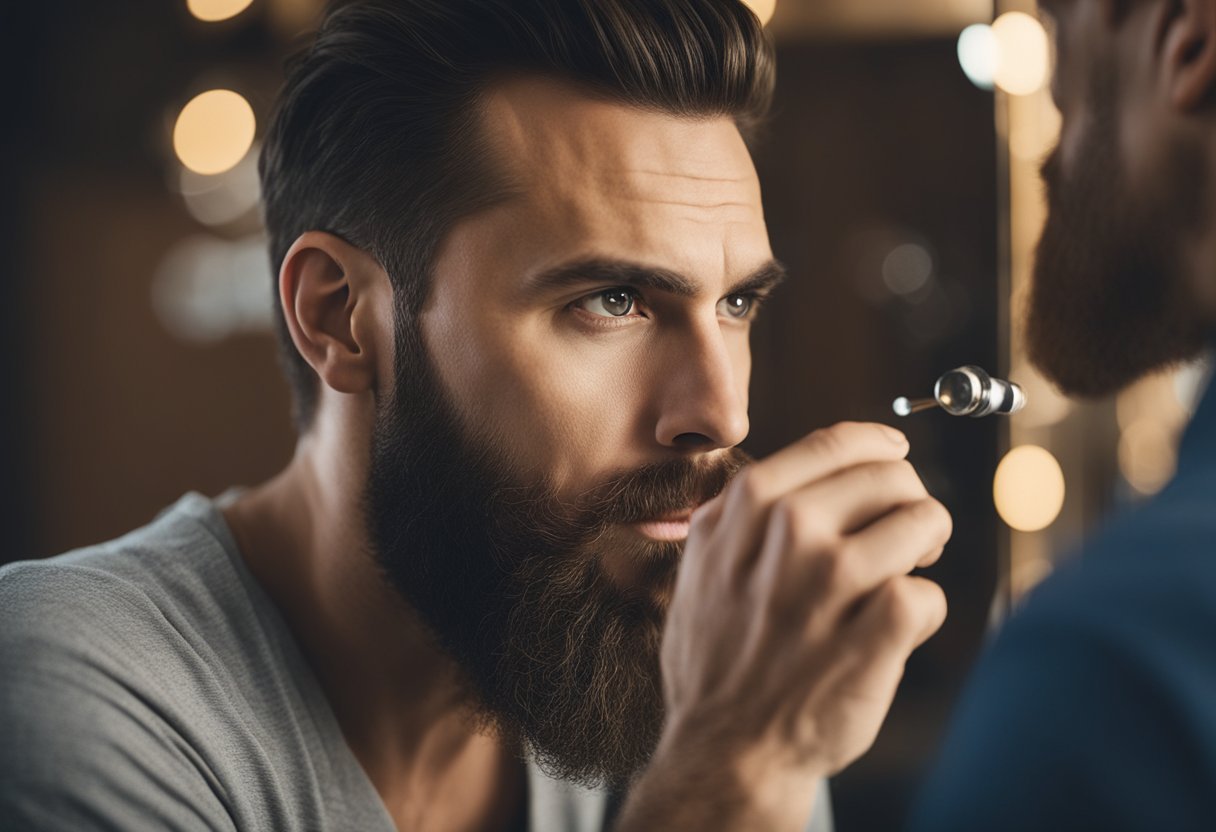
To help with beard connection, certain techniques can encourage growth and improve fullness. Microneedling and minoxidil are popular methods.
Microneedling for Stimulating Hair Follicles
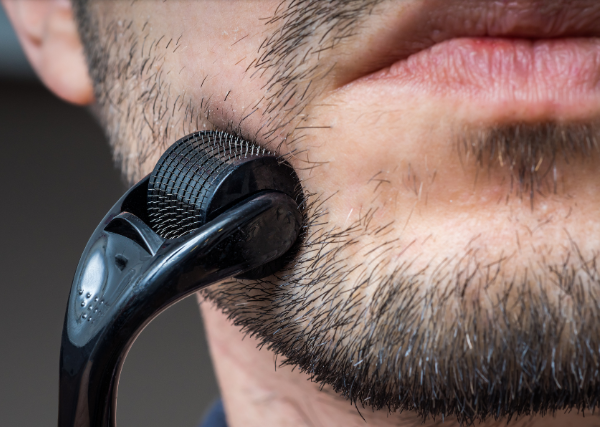
Microneedling uses tiny needles to create small punctures in your skin. This technique can increase blood circulation and help stimulate hair follicles. You may use a derma roller or a specific beard roller for this process.
Microneedling can also promote collagen production, which is beneficial for skin health. Start with gentle sessions, maybe once a week, gradually increasing as tolerated. Clean the roller before and after using it to avoid infections. It’s vital not to press too hard, as that may cause irritation. After microneedling, applying serum can further nourish your skin and hair.
Using Minoxidil for Beard Enhancements
Minoxidil is often used for enhancing beard growth. This topical solution can promote thicker hair and stimulate inactive follicles. Available in both liquid and foam forms, minoxidil should be applied directly to the patchy areas of your beard.
Consistency is important. Users should apply it once or twice daily and allow time for results, which can take several months. Always perform a patch test to check for allergic reactions. Follow the instructions carefully, as excessive use may lead to skin irritation.
Keep in mind that results differ for everyone. Some users may experience better connectivity, while others might see minimal change.
Addressing Patchy Beards
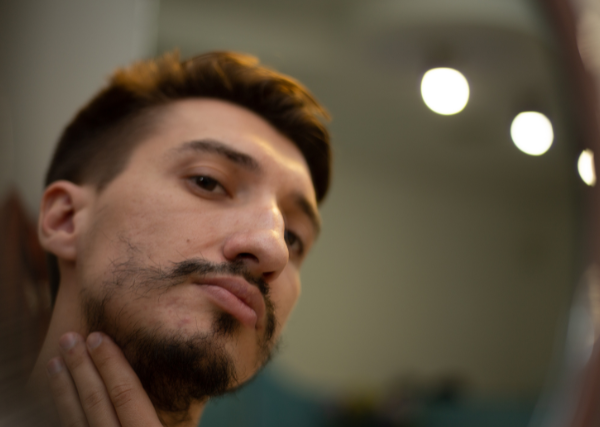
If your beard isn’t connecting in some areas, there are ways to improve its appearance. This will cover different strategies to fill the gap, how to choose the right beard style, and how patience and consistency can make a difference.
Strategies to Fill the Gap
To start, using the right products can help fill in a patchy beard. Beard balm is useful for adding volume and thickness. It helps cover bald spots by making the hair look fuller. Apply a small amount in your palm, rub your hands together, and work it into your beard.
A beard brush can help stimulate blood flow to your face, encouraging hair growth over time. Comb your beard regularly, but gently, in the direction of growth. Consistent care will improve the appearance of your beard’s thickness.
Using a beard solution with biotin or vitamins may also promote hair growth over time. Consult a dermatologist before starting any new supplements.
Choosing the Right Beard Style
Sometimes embracing the natural look is key. Certain styles may work better with your growth pattern. A goatee or a chin strap may be more suitable if your cheeks have bald spots. These styles focus the beard on areas with denser hair.
A short boxed beard is another style that works by maintaining a defined outline and shorter sides, minimizing the appearance of thin spots. Keeping the beard trimmed and neat contributes to a fuller look.
Discuss with a local barber to find a style that matches your facial structure and hair growth patterns. The right cut can make a big difference in your overall appearance.
Patience and Consistency
Growing a full beard takes time and care. Many find it challenging, especially if patches are prominent. Don’t be discouraged. Recognize that every beard grows differently, and some may take longer to fill in than others.
Focus on consistent grooming and care. Washing your beard with a gentle shampoo and conditioning it keeps it healthy. This routine supports growth and can even reduce patchiness over time.
Stay patient, and give your beard the time it needs to mature. Track your progress through photos to see the changes over weeks and months. Your persistence will likely result in a more connected and fulfilling beard.
Frequently Asked Questions

Having a beard that doesn’t connect can be bothersome. You might wonder about styling options, the reasons behind it, and potential age factors. Below, specific questions address these topics to help guide your grooming journey.
How can I style a beard that doesn’t connect with my mustache?
You can try styles that embrace the gap, like a goatee or a soul patch. Short beard styles with well-defined lines might also make the gap less noticeable. Using beard oil or balm can help manage growth and appearance.
How long does it typically take for a beard to fully connect?
The time it takes for a beard to connect varies widely among individuals. For some, it could take several months, while others might never see a full connection due to genetics. Patience and consistent care are vital.
What are the common reasons for a beard not connecting to the sideburns?
Genetics is the most common factor in beards not connecting. Hair growth patterns differ for each person, and some areas may naturally have less density. Stress and health issues can also impact beard growth.
Are there specific beard styles that work well for non-connecting beards?
Yes, certain styles work well, like the Van Dyke or the Balbo. These styles emphasize separate areas and do not rely on connections. Regular trimming and shaping can define these looks effectively.
At what age do most men experience their beard fully connecting?
Many men see their beards fully connected in their late teens to early twenties. Some might experience changes well into their thirties. It largely depends on individual factors such as genetics and hormonal changes.