
10 Best Foot Creams for Oily Skin in 2026: Lightweight Options for Smooth, Comfortable Feet
Finding effective foot care for oily skin can be tricky: rich creams may feel sticky, while lightweight formulas may not soften rough heels. The right choice balances hydration, exfoliation, absorption, and daily comfort.
We compared 10 popular foot creams and treatments, including urea-, salicylic acid-, tea tree oil-, aloe-, and peppermint-infused options, to help you choose a formula suited to your skin and routine.
Page Contents
- Best 10 Foot Creams for Oily Skin Picks for 2026
- Rich Minty Moisture – Gold Bond Therapeutic Foot Cream
- Targeted Callus Care – 60% Urea Foot Care Stick
- Tea Tree Refresh – New York Biology Tea Tree Foot Cream
- Soothing Family Pack – Gold Bond Healing Foot Cream
- Deep Repair Pick – O'Keeffe's Healthy Feet Jar
- Maximum-Strength Smoothing – 42% Urea Repair Cream
- Best Value Two-Pack – O'Keeffe's Healthy Feet Tubes
- Best with Extra Features – Veakoo 40% Urea Foot Cream
- Daily Repair Classic – Dr. Scholl's 25% Urea Foot Cream
- Extra-Strength Callus Care – Urea 60% Tea Tree Foot Cream
- How We Picked These Foot Creams for Oily Skin
- Quick Comparison
- Key Buying Factors for Foot Creams for Oily Skin
- Who Should Buy Which Foot Creams for Oily Skin?
- Read More Articles
Best 10 Foot Creams for Oily Skin Picks for 2026
Rich Minty Moisture
Gold Bond Therapeutic Foot Cream

- Jojoba and peppermint oils
- Seven moisturizers plus three vitamins
- Nongreasy, hypoallergenic formula
Best For: Dry, rough feet needing rich moisture
Targeted Callus Care

- 60% urea with 2% salicylic acid
- Portable, mess-free stick format
- Unscented and quick-absorbing
Best For: Cracked heels, calluses, and rough patches
Tea Tree Refresh
New York Biology Tea Tree Foot Cream

- Tea tree oil, aloe vera, and hyaluronic acid
- 8-ounce size for daily use
- Free of parabens, sulfates, and ethanol
Best For: Daily moisturizing with a refreshing tea tree scent
Soothing Family Pack

- Four 4-ounce bottles
- Aloe, seven moisturizers, and vitamins
- Dermatologist-tested and hypoallergenic
Best For: Frequent users with dry, rough heels
Deep Repair Pick

- Targets extremely dry, cracked feet
- Non-greasy and unscented
- Compact 3.2-ounce jar
Best For: Severe dryness and simple, concentrated foot care
Maximum-Strength Smoothing

- 42% urea for rough, cracked skin
- 2% salicylic acid softens calluses
- Includes aloe, shea butter, and vitamin E
Best For: Stubborn calluses and heavily rough, dry areas
Best Value Two-Pack

- Two 3-ounce travel-friendly tubes
- Non-greasy and unscented
- Made for extremely dry, cracked feet
Best For: Regular use at home and on the go
Best with Extra Features

- 40% urea plus 2% salicylic acid
- Fast-absorbing, non-greasy finish
- Unscented and paraben-free
Best For: Severe dryness, cracked heels, and stubborn calluses
Daily Repair Classic
Dr. Scholl's 25% Urea Foot Cream
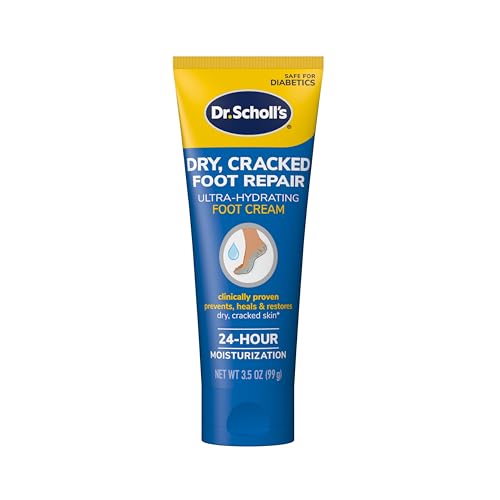
- 25% urea for intensive hydration
- Up to 24 hours of moisture
- Eucalyptus, lavender, and peppermint scent
Best For: Dry, cracked feet and scented restorative care
Extra-Strength Callus Care

- 60% urea for intensive foot care
- Designed for stubborn calluses and cracks
- Large 5.29-ounce size
Best For: Extreme dryness and heavily callused feet
Rich Minty Moisture – Gold Bond Therapeutic Foot Cream
Gold Bond Therapeutic Foot Cream, With Jojoba & Peppermint Oil, Foot Moisturizer, 4 oz
Check Price On AmazonFor shoppers comparing foot creams for oily skin, this Gold Bond formula offers intensive moisture in a nongreasy cream. Jojoba oil, peppermint oil, seven moisturizers, and three vitamins are designed to soften dry, rough feet and heels while leaving a fresh, minty scent.
Best For: Dry, rough feet needing rich moisture with a nongreasy finish.
Pros:
- Contains jojoba and peppermint oils to soothe and soften.
- Includes seven intensive moisturizers and three vitamins.
- Hypoallergenic and described as nongreasy.
Cons:
- It is formulated primarily for dry skin rather than oily skin.
- The peppermint scent may not suit fragrance-sensitive shoppers.
This is a practical pick when your priority is noticeable softening without a heavy, greasy feel. Its rich moisturizing profile may be more than oily feet require, but the nongreasy finish helps keep it approachable for everyday use.
Targeted Callus Care – 60% Urea Foot Care Stick
If you want foot creams for oily skin in a precise, low-mess format, this solid foot care stick is designed for targeted application. Its 60% urea and 2% salicylic acid formula moisturizes, softens keratin, and helps address dry, cracked areas on the feet and other rough spots.
Best For: Targeted care for cracked heels, calluses, and rough patches.
Pros:
- High-strength 60% urea and 2% salicylic acid formula.
- Portable stick applies directly without scooping.
- Light, non-greasy, quick-absorbing, and unscented.
Cons:
- Its intensive active formula may be excessive for simple daily moisturizing.
- The supplied notes identify it for dry skin, not specifically oily skin.
The stick format makes this especially convenient for precise heel and sole application, with less handling than a jar or tube. Choose it when callus softening and cracked-skin care matter more than a basic all-over moisturizer.
Tea Tree Refresh – New York Biology Tea Tree Foot Cream
New York Biology Tea Tree Oil Foot Cream - 8 oz | Moisturizing Care for Dry Feet & Rough Heels
Check Price On AmazonFor those comparing foot creams for oily skin, this tea tree cream combines daily hydration with a refreshing botanical scent. Tea tree oil, aloe vera, and hyaluronic acid help moisturize and soften dry, rough feet, while the formula is listed as free of alcohol, parabens, and sulfates.
Best For: Daily foot care with tea tree freshness and cushioning hydration.
Pros:
- Includes tea tree oil, aloe vera, and hyaluronic acid.
- Designed to hydrate and soften dry, rough heels.
- Listed as paraben-free, sulfate-free, ethanol-free, and cruelty-free.
Cons:
- The tea tree scent may be strong for some users.
- Its moisturizing focus is aimed at dry skin rather than oil control.
- The jar packaging may be less convenient than a tube or stick.
This 8-ounce cream suits shoppers who want a larger daily-use moisturizer with a fresh tea tree profile. It may be less compelling for oily skin if you prefer a specifically lightweight or oil-balancing product.
Soothing Family Pack – Gold Bond Healing Foot Cream
Among foot creams for oily skin, this Gold Bond healing formula is geared toward dry, rough heels and everyday softening. Aloe, seven moisturizers, and three nourishing vitamins provide rich hydration, while the four-bottle pack offers a practical option for households or frequent users.
Best For: Families or regular users treating dry, rough feet and cracked heels.
Pros:
- Includes four 4-ounce bottles.
- Contains aloe, seven moisturizers, and three vitamins.
- Dermatologist-tested and listed as hypoallergenic.
Cons:
- The rich formula is intended for dry skin, not specifically oily skin.
- A four-pack may be more product than occasional users need.
- The fresh scent may not appeal to fragrance-free shoppers.
This is a value-oriented choice when you want a familiar, soothing foot cream and enough supply for repeated use. For oily skin, apply sparingly and focus on heels or other dry areas rather than the entire foot.
Deep Repair Pick – O'Keeffe's Healthy Feet Jar
For shoppers comparing foot creams for oily skin, O’Keeffe’s Healthy Feet is a concentrated, unscented option focused on extremely dry, cracked feet. Its non-greasy formula creates a protective layer to help lock in moisture without adding a heavy scent.
Best For: Extremely dry, cracked feet and shoppers who prefer a hypoallergenic, non-greasy cream in a compact jar.
Pros:
- Designed to heal, relieve, and repair extremely dry, cracked feet.
- Creates a protective moisture-locking layer and helps retain hydration.
- Unscented, hypoallergenic, non-greasy, and safe for people with diabetes.
- Travel-size 3.2-ounce jar.
Cons:
- Formulated specifically for extreme dryness rather than everyday light moisture.
- Jar packaging may be less convenient than a tube for some users.
This is a practical choice when severe dryness is the priority. Apply it at bedtime and after bathing, when moisturizing is most effective according to the supplied guidance.
Maximum-Strength Smoothing – 42% Urea Repair Cream
Among foot creams for oily skin, this maximum-strength formula stands out for its exfoliating approach. It combines 42% urea with 2% salicylic acid to address rough, cracked areas while aloe vera, shea butter, and vitamin E provide conditioning support.
Best For: Adults seeking intensive care for rough, cracked feet, heels, hands, elbows, or knees.
Pros:
- Contains 42% urea to exfoliate and deeply hydrate rough skin.
- Uses 2% salicylic acid to soften calluses and smooth dry patches.
- Includes vitamin E, aloe vera, shea butter, and tea tree oil.
- Suitable for multiple rough-skin areas, not just feet.
Cons:
- The high-strength exfoliating formula may be more than needed for mild dryness.
- Its ingredient profile is more complex than a basic moisturizer.
- The supplied details list an aloe vera scent rather than a fully unscented formula.
This cream is geared toward significant roughness and calluses rather than lightweight daily hydration. Its combination of exfoliating and moisturizing ingredients makes it a focused option for stubborn dry patches.
Best Value Two-Pack – O'Keeffe's Healthy Feet Tubes
For a practical foot-care supply, O’Keeffe’s Healthy Feet two-pack offers the same concentrated, non-greasy approach often considered when comparing foot creams for oily skin. The unscented cream is intended for extremely dry, cracked feet and comes in portable tubes.
Best For: Shoppers who want concentrated care for severe dryness plus two convenient 3-ounce tubes for home and travel.
Pros:
- Formulated to heal, relieve, and repair extremely dry, cracked feet.
- Creates a protective layer that helps lock in moisture.
- Non-greasy, unscented, hypoallergenic, and safe for people with diabetes.
- Two tube format offers convenient portability and a backup supply.
Cons:
- Designed for extreme dryness, so it may feel more intensive than necessary for mild needs.
- The two-pack may be more product than needed for occasional users.
This option makes sense for consistent use at bedtime and after bathing, or for keeping one tube in different locations. It delivers a focused, low-fuss formula in a convenient package.
Best with Extra Features – Veakoo 40% Urea Foot Cream
For shoppers comparing foot creams for oily skin, Veakoo offers a maximum-strength option designed to address thick, rough areas without a lingering greasy feel. Its 40% urea and 2% salicylic acid formula focuses on intensive softening, exfoliation, and moisture support.
Best For: Severely dry, cracked heels and stubborn calluses, especially for users who prefer an unscented, fast-absorbing cream.
Pros:
- Combines 40% urea with 2% salicylic acid to soften and exfoliate built-up skin.
- Includes glycerin, hyaluronic acid, shea butter, jojoba oil, and vitamin E for moisture support.
- Designed to absorb quickly without a sticky or oily residue.
- Unscented and free of parabens and phthalates.
Cons:
- The intensive formula may be more than needed for mild dryness.
- Contains multiple active and botanical ingredients, so sensitive users may prefer to patch test.
Veakoo is the most targeted choice here for thick calluses and severe roughness. It also suits shoppers who want intensive care while keeping the finish relatively lightweight.
Daily Repair Classic – Dr. Scholl's 25% Urea Foot Cream
Among foot creams for oily skin, Dr. Scholl’s Dry, Cracked Foot Repair is a practical pick for shoppers who want concentrated hydration from a familiar foot-care brand. The 25% urea formula is intended to soften tough, cracked feet while providing up to 24 hours of hydration.
Best For: Dry, cracked feet needing intensive moisturizing with a scented eucalyptus, lavender, and peppermint profile.
Pros:
- Uses 25% urea for deep softening and moisture support.
- Formulated to provide up to 24 hours of hydration.
- Includes Epsom salt and essential oils for a soothing, aromatic foot-care experience.
- Alcohol-free formula in a convenient tube.
Cons:
- The essential-oil scent may not suit shoppers seeking an unscented product.
- Its richer, ultra-hydrating positioning may feel less suitable for those wanting a very light finish.
This option balances strong moisturization with a spa-like scent. It is a sensible choice for established dry cracks, but shoppers prioritizing minimal fragrance may prefer Veakoo.
Extra-Strength Callus Care – Urea 60% Tea Tree Foot Cream
For foot creams for oily skin shoppers seeking the strongest exfoliating option in this lineup, this 60% urea foot cream is positioned for extreme dryness and stubborn calluses. It also combines salicylic acid with a tea tree scent for intensive foot care.
Best For: Very dry, cracked, heavily callused feet and users looking for heavy-duty at-home foot repair.
Pros:
- Highest stated urea concentration in this selection at 60%.
- Designed to hydrate, exfoliate, and soften stubborn calluses.
- Suitable for foot, heel, hand, and body use according to the supplied details.
- Large 5.29-ounce unit size.
Cons:
- The maximum-strength formula may be excessive for mild dryness or routine maintenance.
- Tea tree scent may not appeal to shoppers wanting fragrance-free care.
- The supplied notes do not specify a non-greasy or fast-absorbing finish.
This is the heavy-duty choice for shoppers focused on extreme roughness and callus removal. Because its strength is the main selling point, it is less suited to those seeking a lightweight everyday moisturizer.
How We Picked These Foot Creams for Oily Skin
We focused on formulas that address common foot concerns without making the skin feel unnecessarily coated. Selection factors included the type and concentration of moisturizing ingredients, exfoliating actives, texture, intended use, package format, and value. Urea-based products received particular attention because urea can help soften rough, thickened skin while supporting hydration. Salicylic acid, tea tree oil, peppermint oil, and aloe were also considered for their potential role in smoothing, refreshing, or soothing the feet.
Because product performance varies by skin condition and application amount, ingredient percentages should be treated as a guide rather than a guarantee. Always follow the label, especially with high-strength exfoliating formulas.
Quick Comparison
| Best For | Look For | Potential Trade-Off |
|---|---|---|
| Daily lightweight care | Non-greasy textures, aloe, or lighter emollients | May need frequent application |
| Thick calluses | Higher-percentage urea and salicylic acid | Can feel strong on sensitive skin |
| Cracked heels | Urea, occlusive moisturizers, and consistent use | Richer formulas may feel less comfortable |
| Refreshing foot care | Tea tree or peppermint oil | Fragrance and essential oils may irritate some users |
Key Buying Factors for Foot Creams for Oily Skin
Texture and Absorption
Choose a cream, lotion, or stick that absorbs reasonably quickly and does not leave a slippery layer inside socks or shoes. Apply a small amount first; using more product does not necessarily improve results.
Urea and Exfoliating Strength
Lower urea concentrations may suit regular maintenance, while 25% to 60% formulas are generally aimed at very rough, hardened, or cracked areas. Salicylic acid can help loosen dead skin, but combining strong actives may be too irritating for sensitive feet.
Supporting Ingredients
Aloe, shea butter, vitamin E, jojoba oil, and similar ingredients can improve comfort and softness. Tea tree and peppermint oils may provide a fresh sensation, but avoid them if you know you react to essential oils or fragranced products.
Application and Safety
Use foot treatments on clean, dry skin and follow the package directions. Avoid applying exfoliating products to open wounds, actively inflamed skin, or areas with infection. Stop using a product if burning, swelling, or persistent irritation develops. People with diabetes, poor circulation, neuropathy, or recurring foot cracks should ask a healthcare professional before using intensive callus treatments.
Who Should Buy Which Foot Creams for Oily Skin?
For everyday maintenance and a lighter feel, choose a non-greasy cream or a formula with aloe and modest moisturizing ingredients. For persistent calluses or thick heels, consider a higher-urea treatment, but introduce it gradually and avoid over-exfoliating. If odor or a fresh after-feel is a priority, a tea tree or peppermint option may be appealing. For severe dryness, prioritize proven moisturizing actives and consistent nighttime use over a heavily scented formula.